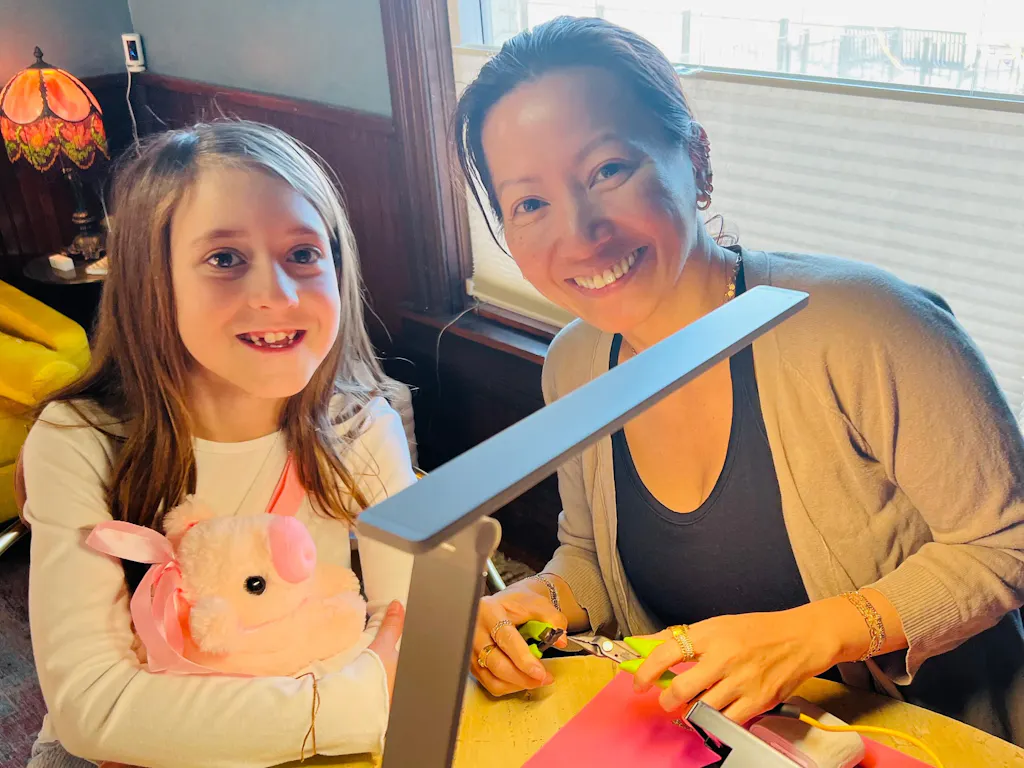
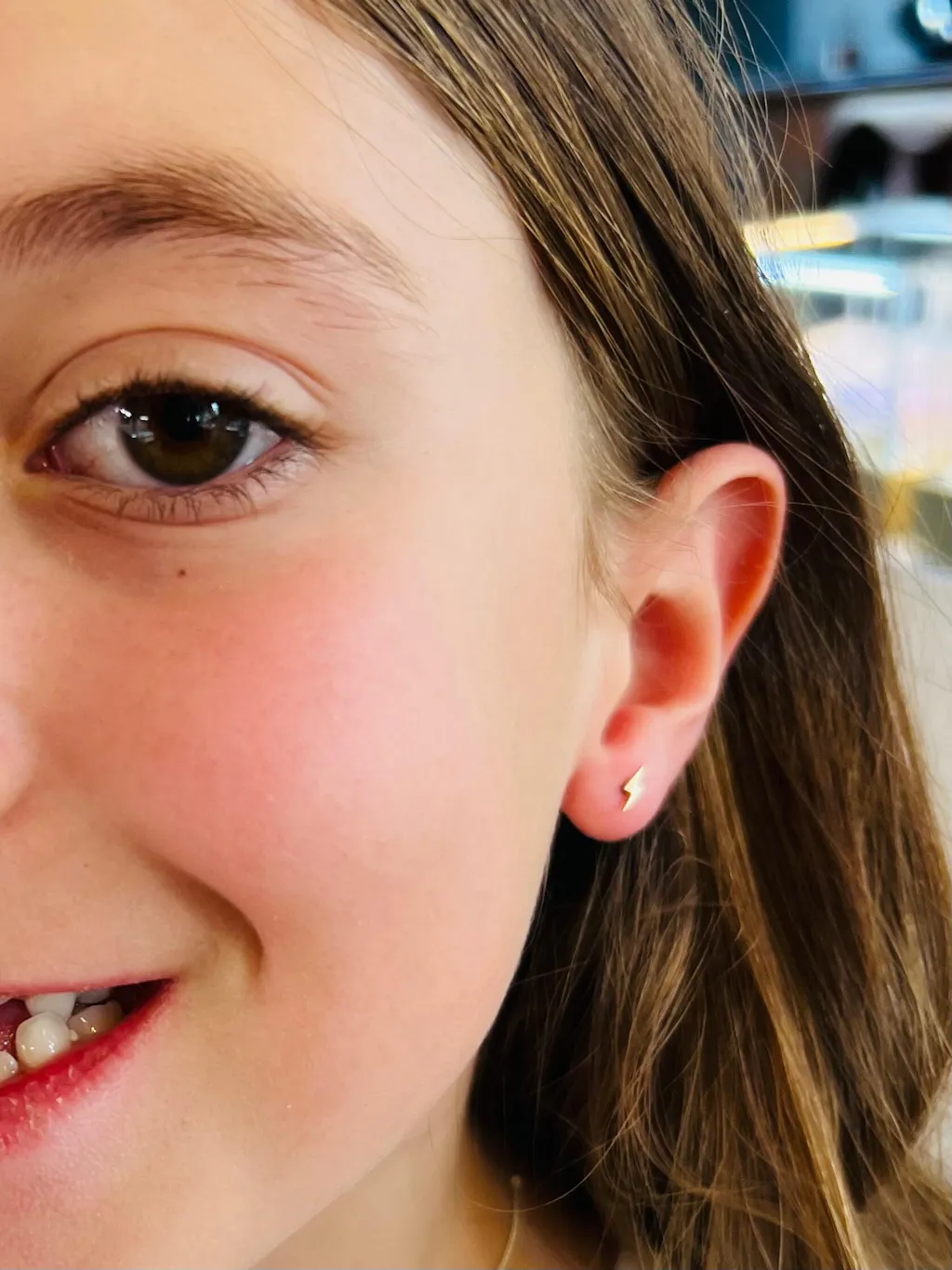
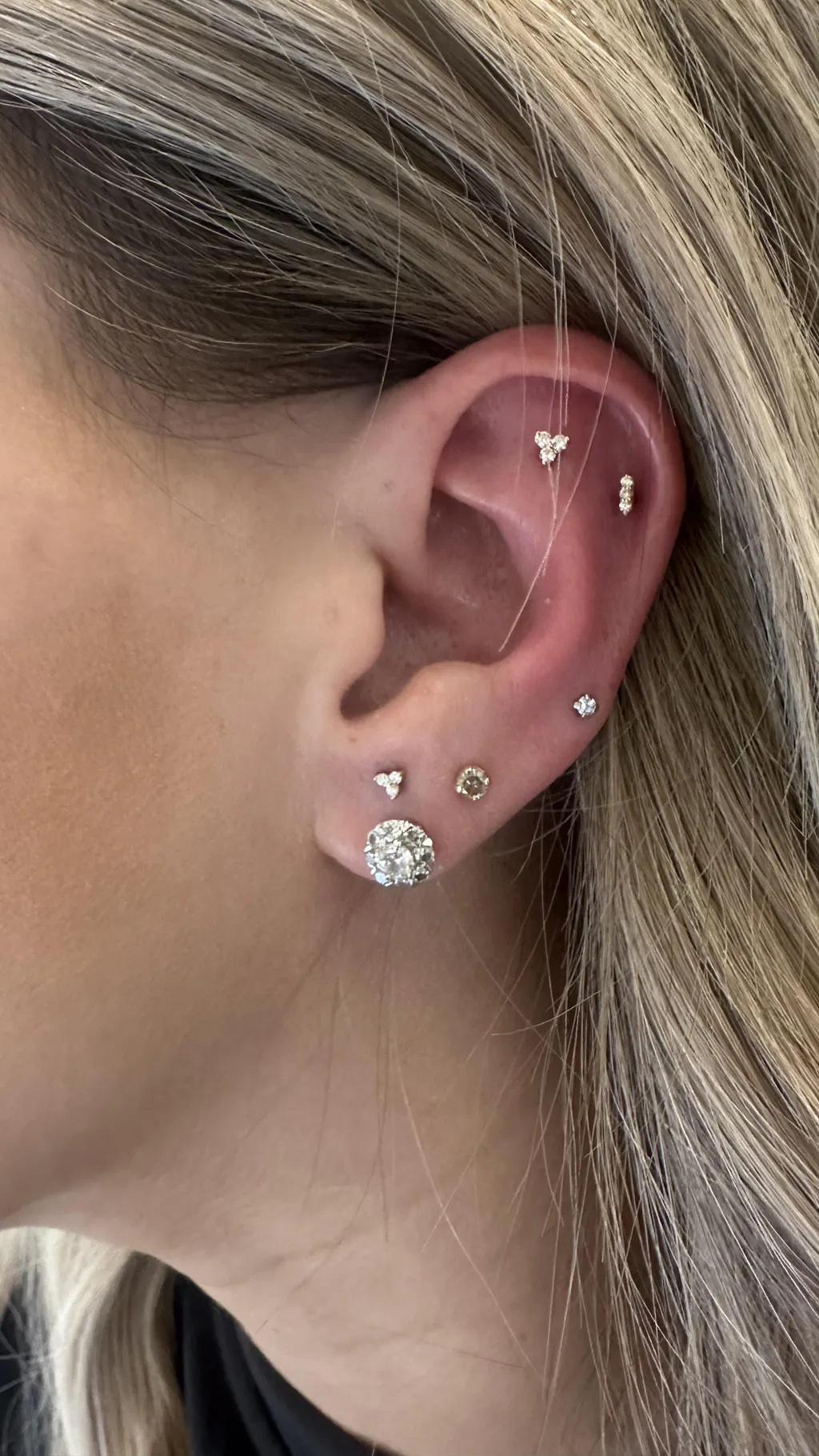
Permanent jewelry works by custom-fitting a chain around your wrist, ankle, neck, or finger and closing it with a tiny welded jump ring instead of a clasp. A trained jewelry artist measures the fit, places a protective barrier between the jewelry and your skin, and uses a precision welder to seal the ring. The spark touches the metal—not your body—and the finished piece can be worn continuously until you choose to have it removed.
The name can sound like a major commitment, but permanent jewelry is neither a piercing nor truly impossible to remove. Think of it as clasp-free jewelry designed for everyday wear. It can mark a friendship, relationship, milestone, or simply make getting dressed a little easier. If you are ready to see the experience in person, explore Nina Wynn's permanent jewelry in Denver.
What Is Permanent Jewelry?
Permanent jewelry is a custom-sized bracelet, anklet, necklace, hand chain, or ring made without a traditional clasp. The two ends are joined with a small jump ring, and that ring is welded closed while the piece is being worn. You may also hear it called a forever bracelet, welded bracelet, infinity jewelry, or clasp-free jewelry.
“Permanent” describes how the piece is worn, not an irreversible bond. You do not need to take it off at night or remember to put it on in the morning, but you can remove it when your health, work, sport, travel, or personal preference requires it. A careful cut at the welded jump ring releases the piece without involving your skin.
| How it closes | A tiny jump ring is welded closed; there is no clasp. |
|---|---|
| How it fits | The chain is measured and adjusted to your body and comfort preference. |
| What the weld touches | Only the metal connection point, with a protective barrier beneath it. |
| How long it stays on | Until it is removed, breaks from wear, or needs to come off for another reason. |
| Can it be removed? | Yes. Cut the welded jump ring and save the chain if you may want it re-welded. |
How Does Permanent Jewelry Work? The Process Step by Step
The process is simple, but the quality of the result depends on thoughtful styling, accurate sizing, appropriate materials, and a clean weld. Here is what to expect at a professional appointment.
1. Choose Your Chain and Jewelry Style
Your appointment begins with the fun part: choosing a chain. A jewelry artist can help you compare link size, texture, color, weight, movement, and durability. You can browse the broader permanent jewelry collection before your visit to get a sense of the styles and finishes you love.
Your daily routine matters. A very delicate chain can feel nearly weightless, while a larger link makes a stronger visual statement. Consider how often you work with your hands, exercise, wear fitted sleeves, change shoes, or layer other jewelry. The best choice should fit both your aesthetic and your real life.
2. Personalize the Design
A permanent piece can be beautifully minimal or deeply personal. You may add an initial, symbol, natural gemstone, diamond detail, or other focal element. Nina Wynn's permanent jewelry connectors and charms make it possible to represent a birthstone, relationship, memory, or milestone without overwhelming the chain.
If two people are getting jewelry together, their pieces do not need to match exactly. Choosing related metals, complementary chains, or the same meaningful connector can create a connection while preserving each person's style.
3. Measure and Custom-Fit the Piece
The artist wraps the chain around the intended area and adjusts it before making any permanent connection. The goal is a fit that has enough ease for natural movement without hanging so loosely that the jewelry catches easily. You should be able to move your wrist, ankle, or neck comfortably without pinching or pressure.
This fitting stage is one of the biggest advantages of a welded piece. Unlike a standard bracelet made in a fixed length, it is tailored to you. Speak up if you prefer a closer fit, more movement, or room to layer it with jewelry you already wear.
4. Prepare the Connection Point
Once the length feels right, the artist trims the chain and joins the ends with a tiny jump ring. A protective leather or heat-resistant barrier is placed between the jewelry and your skin. The artist aligns the opening carefully so the weld can close the ring cleanly and securely.
This is also the right time to mention known metal sensitivities, medical considerations, work restrictions, or questions about the process. Review Nina Wynn's permanent jewelry waiver and consent information before your appointment so you can make an informed choice.
5. Weld the Jump Ring Closed
The artist uses a precision pulse-arc jewelry welder to create a brief, controlled spark at the opening of the jump ring. The energy is focused on that small metal connection. There is no needle, and the jewelry is not welded to your skin.
The visible flash is often the most surprising part, but the weld itself happens in a moment. Protective measures and correct equipment setup help keep the process controlled. The result is a closed loop with no clasp to open during daily wear.
6. Inspect the Weld and Confirm the Fit
After welding, the artist inspects the connection, checks for a smooth finish, and gently tests the closure. You will move the area again to confirm that the final fit feels comfortable. If the piece is too tight, too loose, or the connection needs refinement, it should be adjusted before you leave.
Expert note from Nina Wynn
A beautiful chain matters, but fit and finish are what make this jewelry easy to live in. Your piece should move naturally, sit comfortably, and feel like it belongs on you.
Does Permanent Jewelry Hurt?
No needle goes through the skin, and the welder is applied to the metal jump ring rather than the body. Most clients simply notice a quick flash when the connection is made. A protective barrier sits beneath the weld area throughout the process.
This service is different from a piercing, tattoo, or medical procedure. If you feel nervous, ask the artist to explain each step before beginning. You should also disclose any known metal allergy or sensitivity and choose a material that is appropriate for you.
What Types of Permanent Jewelry Can You Get?
Bracelets are the most familiar style, but the same clasp-free concept can be adapted to several types of jewelry:
- Permanent bracelets: Comfortable for everyday wear, easy to stack, and popular for friendship or milestone jewelry. Explore the permanent bracelet collection, or learn more about getting permanent bracelets in Denver.
- Permanent anklets: A subtle or playful option that can be worn alone or layered. Browse the permanent anklet collection, or discover the custom-fitting experience for permanent anklets in Denver.
- Permanent necklaces: A clasp-free solution for people who want a chain that stays centered and ready to layer. View the permanent necklace collection, or learn about custom-fit permanent necklaces in Denver.
- Permanent rings: Fine chains fitted around the finger for a delicate look; lifestyle and snag risk deserve extra consideration.
- Hand chains: A connected bracelet-and-ring design that makes a more distinctive statement and requires especially careful fitting.
What Is Permanent Jewelry Made Of?
Nina Wynn offers 14k solid gold, gold-filled, and sterling silver options. Each has a different look, price point, and care profile:
- 14k solid gold is a premium choice for long-term wear. It does not have a surface plating that wears away, and it offers a refined finish for an heirloom-minded piece.
- Gold-filled jewelry provides the appearance of gold at a more accessible price. It contains a substantially bonded layer of gold and should not be confused with thin gold plating.
- Sterling silver offers a bright, classic look and an approachable price. It can naturally tarnish or develop a patina, but gentle, appropriate cleaning can refresh it.
No material is right for every person. If you have a known sensitivity, discuss it before welding rather than assuming that a metal will be suitable. Chain construction also matters: a strong material cannot prevent every delicate link from snagging or breaking.
How Long Does Permanent Jewelry Last?
A well-fitted, well-made clasp-free piece can remain on for a long time, but there is no universal expiration date or lifetime guarantee against wear. Longevity depends on the metal, chain design, weld quality, fit, daily activities, chemical exposure, and whether the piece catches on clothing or equipment.
“Permanent” does not mean indestructible. Fine jewelry can stretch, snag, or break. In many situations that is preferable to a chain that will not release under significant force. Treat your piece as jewelry: enjoy wearing it every day, while staying mindful around machinery, contact sports, heavy lifting, tight garments, and other snag hazards.
Can Permanent Jewelry Be Removed?
Yes. The piece can be removed by cutting the small jump ring where the weld was made. If removal is not urgent, a jewelry professional can help. If you need to remove it yourself, use appropriate small jewelry cutters or sturdy nail clippers, cut only the jump ring, keep the tool away from your skin, and never pull or twist the chain off.
Save the chain and any connector in a secure bag. Depending on its condition and the studio's service policy, the piece may be eligible for a future re-weld. If the chain itself is damaged or stretched, a repair or replacement may be necessary.
How Do You Care for Permanent Jewelry?
Clasp-free jewelry has no healing period because it does not pierce the skin, but it still benefits from regular care. Everyday products such as soap, lotion, sunscreen, sweat, and minerals can collect around links and connectors. A simple routine helps preserve its appearance:
- Wash the piece gently with warm water and mild, non-abrasive soap.
- Use a very soft toothbrush only when buildup needs extra attention.
- Rinse well, then pat dry with a clean, soft, lint-free cloth.
- Limit contact with bleach, harsh cleaning products, and abrasive cleaners.
- After swimming, sweating, or using a hot tub, rinse and dry the jewelry.
- Check periodically for stretching, a rough connection, or a damaged link.
You can generally shower while wearing the piece. The material and any gemstones or connectors may influence the best care routine, so follow the detailed permanent jewelry aftercare guide for cleaning, removal, re-welds, and style-specific precautions.
How Much Does Permanent Jewelry Cost?
Cost depends on the metal, chain style, length, design complexity, and any charms, gemstones, diamonds, or connectors you add. A bracelet typically uses less chain than an anklet or necklace, so the same link style may have a different finished price.
At Nina Wynn's Denver studio, permanent bracelets currently start at $75+ in gold-filled or sterling silver and $185+ in 14k solid gold. Prices can change and custom designs vary, so review the current permanent jewelry pricing in Denver before your visit.
When comparing price, look beyond the spark itself. Material quality, chain construction, design, custom fitting, welding consistency, studio standards, and after-appointment support all contribute to the value of the finished piece.
What About Travel, Medical Procedures, Sports, and Work?
Clasp-free jewelry is meant for everyday life, but some situations require extra attention:
- Airport security: Follow the instructions of security personnel. Requirements can vary by location and circumstance.
- MRI, surgery, and medical care: Tell the medical facility about the jewelry in advance and follow its removal instructions. Material alone does not override a facility's safety policy.
- Sports and fitness: Consider snag risk, contact, protective equipment, and league or facility rules. Remove the piece if required.
- Workplaces: Healthcare, food service, manufacturing, laboratory, and equipment-based roles may have jewelry restrictions. Follow your employer's policy.
- Pregnancy, swelling, or a health change: If the piece becomes tight or uncomfortable, do not wait for it to become an emergency. Have it removed safely.
This jewelry should never take priority over health or safety. When removal is required, cut the jump ring, save the piece, and ask about re-welding later.
Why Do People Get Permanent Jewelry Together?
Because it is custom, quick, and wearable, the experience turns a shopping visit into a shared memory. Friends, partners, parents and children, siblings, wedding parties, and coworkers can each choose a design that feels personal while celebrating the same moment.
It works especially well for birthdays, bachelorette weekends, bridal showers, anniversaries, girls' days, graduations, and team gatherings. For a private group experience, learn more about hosting a permanent jewelry party in Denver.
Is Permanent Jewelry Right for You?
A clasp-free piece may be a good fit if you enjoy low-maintenance accessories, want a custom size, struggle with small clasps, love layered jewelry, or want a wearable reminder of a person or milestone. It is also easy to personalize without committing to a large or heavy piece.
You may prefer traditional jewelry if you like changing every accessory daily, have a job or sport that requires jewelry removal, experience frequent swelling, react to available metals, or do activities with a high snag risk. There is no wrong choice—the best jewelry fits your body, lifestyle, and preferences.
Ready to Create Your Permanent Piece?
Choose your chain, find your fit, and personalize a bracelet, anklet, necklace, or connector at Nina Wynn.
Permanent Jewelry Frequently Asked Questions
Is permanent jewelry really permanent?
It is designed to be worn continuously because it has no clasp, but it is removable. A jewelry professional—or the wearer when necessary—can cut the welded jump ring without cutting or piercing the skin.
How is permanent jewelry welded without burning you?
The artist places a protective barrier between the jewelry and your body, then directs a brief, controlled pulse at the metal jump ring. The welder works at the connection point; it is not applied to your skin.
Does getting permanent jewelry hurt?
The process is needle-free and should not hurt. Most people notice only the visual flash from the weld. Tell the artist immediately if the fit pinches or anything feels uncomfortable.
Can I shower with permanent jewelry?
Yes, the jewelry is designed for everyday wear, including showering. Rinse away product residue and dry the piece gently. Care needs can vary by metal, gemstone, and connector.
Can permanent jewelry break?
Yes. Like any fine chain, it can break or stretch if it snags or receives enough force. Save all parts and ask whether the piece can be repaired or re-welded.
Can permanent jewelry be re-welded?
Often, yes, if the chain and connector remain in suitable condition. Re-weld availability, service fees, and repair options depend on how the piece was removed or damaged and the studio's policy.
Will permanent jewelry tarnish?
That depends on the material and exposure. Sterling silver can tarnish naturally. Gold-filled jewelry can be affected by wear and harsh chemicals, while 14k solid gold does not have a plated gold surface to wear away. All jewelry benefits from gentle cleaning.
Can I wear permanent jewelry through airport security?
Many travelers wear fine jewelry through security, but you should always comply with the instructions of airport security personnel. If a piece must be removed, cut the jump ring and save the chain.
Do I need to remove permanent jewelry for an MRI or surgery?
Medical facilities may require all jewelry to be removed regardless of the material. Contact your provider before the appointment and follow its instructions. The piece can be cut at the jump ring and may be re-welded afterward.
Can I add a charm or connector later?
Often, a jewelry artist can open or cut the connection, add a compatible detail, and re-weld the piece. The design, chain condition, and connector orientation determine what is possible.
What is the best permanent jewelry for a first-time client?
A bracelet is a popular starting point because it is easy to see, style, and stack. The best chain is one that feels comfortable, suits your routine, and fits your preferred budget and material.